What is culture?
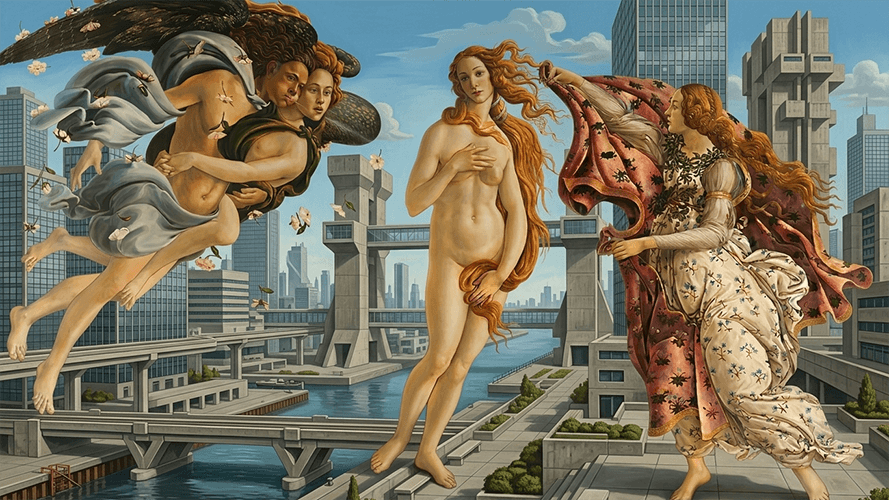
The term “culture” comes in several forms and has been misused and overused, particularly in the last few decades.
Today, the term “culture” exists in different forms; for example, you might hear phrases like “youth culture”, “pop culture”, “counterculture”, or even “subculture”. In the business world, the term “corporate culture” often refers to the shared values, attitudes, and beliefs of a large organisation or multinational company that transcend national boundaries.
However, the word “culture” is frequently used in a vague or general sense with different sub-meanings, and the definition can vary greatly between social concepts.
Culture is the characteristics and knowledge of a particular group of people, encompassing language, religion, cuisine, social habits, lifestyle, music, philosophies, and other forms of art and behaviours.
In the contemporary era, universality, influences, and changes within communities and societies are occurring so rapidly and unevenly that people are unsure what is relevant to them or not, which affects their communities and the meaning of the word “culture”.
Culture is what shapes people’s preferences, thoughts, and ways of thinking within societies. Thinkers, writers, philosophers, artists and national and community leaders, like a king, for instance, have long been at the forefront of culture.
However, since the advent of globalisation and postmodern society, corporations and brands have taken the lead in shaping cultures by leveraging influencers, celebrities and various media to shape public opinion and taste.
Culture, as traditionally understood, is the living expression of people. Art, architecture, religion, and other social forms are all bound by a shared worldview. But in the modern age, culture has been hollowed out, replaced by corporate simulacra, soulless megacities, and art that no longer speaks to the sacred.
Many thinkers and books, like “Decline of the West" by Oswald Spengler, argue that cultures are like living organisms: they are born, mature, decay, and die. This model provides a framework for understanding how art and architecture, as an example, evolve from the organic vitality of early cultures to the sterile, oversized monuments of late-stage Western civilisations.
1. Birth – Myth and Symbol: Early cultures were created from instinct, not intellect, with a low population and low technology. Art is sacred (cave paintings, totems), architecture is ritual (churches, temples), and cities are centres of worship, rather than commerce.
2. Peak – Grandeur and Harmony: At their height with a growing population and wealth, cultures produce timeless works with medium technologies: statues, cathedrals / large temples, and castles; also art and philosophies, and commerce and exchange are part of this grandeur, driven by high competition and collaborations.
3. Decline – Size Over Soul: Civilisation is at its peak, with high population, technologies, wealth and inequality under a certain equilibrium. Art becomes shocking or kitsch (abstract chaos). Architecture turns cold (skyscrapers, Brutalism). culture driven by corporate greed, where cities sprawl—bigger, emptier and soulless.
4. Death – Hollow Copies: The end is pastiche: technologies are beyond regular humans, declining population, fake art and “historic” buildings, cities of glass and transit hubs. Culture is now a brand ready to get sold. Many believe that decline is inevitable, and we live in the late stage, where culture is a commodity.
The question isn’t how to stop it, but what comes next. Instead of a strict “rise and fall", a timeless observer might see multiple/different civilisations coexisting in different intensities. For example, the “death” of Rome might merely be its transformation into a new configuration (Byzantium and Mediaeval Europe).
Cultural decay extends beyond mere self-destruction; it includes conquest, both physical and ideological, where dying civilisations are overtaken or reshaped by external forces and philosophies.
The fall of Byzantium to the Ottomans was not just a military defeat but the imposition of a new worldview, just as Persia’s Zoroastrian identity dissolved under Islamic rule.
Similarly, today’s corporate greed culture with hyper-consumerism colonises not through armies but through screens, reshaping even strong traditions like China's, Japan's, and beyond. These ideological invasions accelerate the final phase of a culture’s life cycle, replacing organic depth with borrowed, hollow forms until the original spirit is erased. The end is not always collapse; sometimes it is a slow assimilation or change.