Art-Design-Content
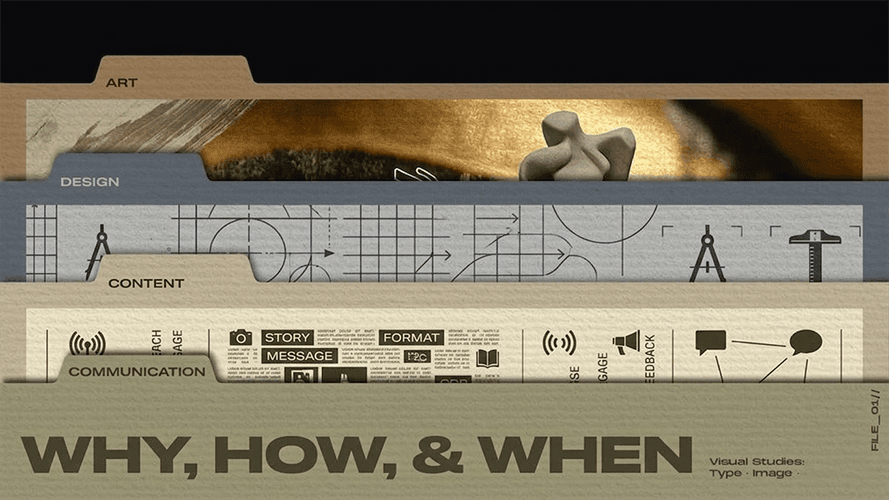
Art has been the centre of major creative culture. In France, the different genres of art have been classified by type; they often use numbers to call for a specific genre of art.
The numbering of arts originated in Hegel’s Lectures on Aesthetics.
Recorded in ‘Introductory Lectures on Aesthetics’, chapter 5: ‘Division of the Subject’ (delivered from 1818 to around 1830).
The first art: Architecture
The second art: Sculpture
The third art: Painting
The fourth art: Dance
The fifth art: Music
The sixth art: Poetry
The seventh art: Cinema
The eighth art: Television
The ninth art: Comic strips
The core list from Hegel (1st to 6th art) established a philosophical hierarchy of forms, from the most physical (architecture) to the most conceptual (poetry). Later on, new art forms combining image, sound, time, and entertainment were added to a respected literary and artistic discipline.
The term “design” was coined during the Industrial Revolution toward the close of the 1800s and gained popularity at the beginning of the 1900s. Over time, the word’s meaning has consistently evolved.
There were periods of fast scientific and technological discovery during the First and Second Industrial Revolutions. Mass production and standardisation have gradually introduced the term and idea of "design".
From this point on, a craftsman and artisan have slowly been transformed into designers, while an artist creates for philosophical, emotional, and personal reasons to connect with the divine, heart, and nature. A designer is a creative individual who devotes their expertise to problem-solving, generating visual communication, and developing or producing goods and services for external purposes primarily commercial.
Since then, new art trends have emerged every 15–20 years. It’s also the period it takes to have and educate a new generation. Art and Design share the same fields and expertise; they are also influencing each other, even if the difference between art and design lies in the intention and motivation of their creators.
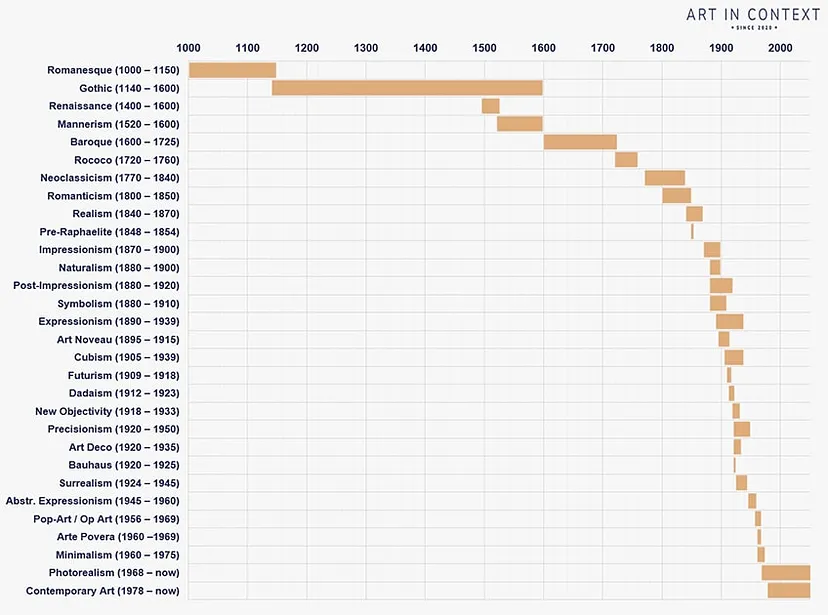
Today Design plays a huge role in bridging between Art and commerce (branding, marketing and advertising).
In the commercial view, branding and audience size (fame, notoriety, status, and wealth, to make it simple) became more important than the work we produced, and everything became entertainment and consumable, waiting for the new to emerge. With social media, everything that we create and publish is called content, and this is killing art, because:
The viral infection is unsustainable.
The mass intention is hard to keep because experimentation has moral limits.
The creativity in social media is here only to suit an algorithm and stay relevant.
The desire to monetise creativity and stay relevant led creators to lose authenticity.